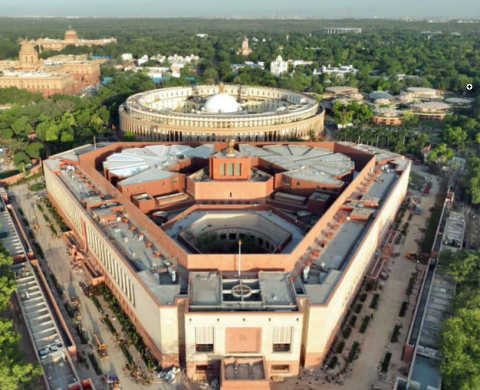
SYLLABUS GS-2: Structure, organization and functioning of the Executive and the Judiciary Ministries and Departments of the Government. Context: The e-Courts Mission Mode Project is transforming India’s paper-based judiciary into
SYLLABUS GS-2: Structure, organization and functioning of the Executive and the Judiciary Ministries and Departments of the Government. Context: The Tribunals Reforms Bill, 2026 was passed by the Lok Sabha,
SYLLABUS GS-2: Bilateral, regional and global groupings and agreements involving India and/or affecting India’s interests. Context: Saudi Arabia, Pakistan and Türkiye signed the Mecca Joint Defence Agreement, containing an “attack
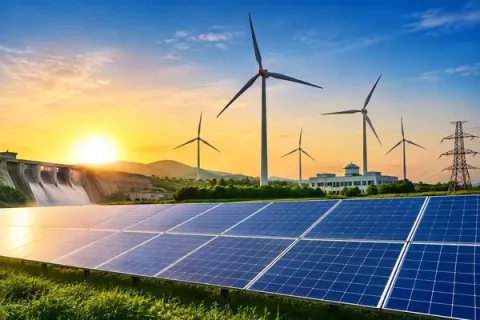
SYLLABUS GS-3: Infrastructure: Energy; Conservation, environmental pollution and degradation. Context: India has crossed the landmark 300 GW of installed non-fossil fuel-based electricity generation capacity, reaching 300.50 GW as of 31
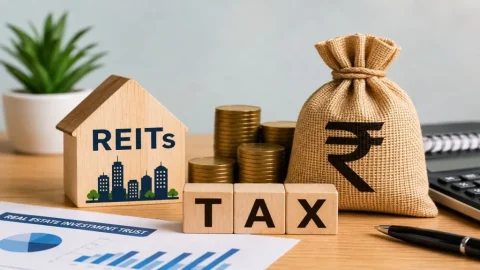
SYLLABUS GS-3: Indian Economy and issues relating to planning, mobilization of resources, growth, development and employment. Context: The Taxation and Other Laws (Amendment) Bill, 2026, passed by the Lok Sabha,
SYLLABUS GS-3: Awareness in the fields of IT, Space, Computers, robotics, and issues relating to intellectual property rights; Science and Technology- developments and their applications and effects in everyday life.
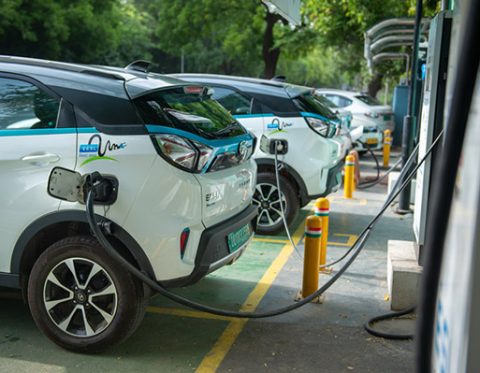
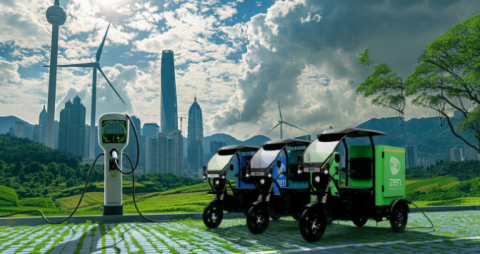
SYLLABUS GS-3: Conservation, environmental pollution and degradation; Science and Technology- developments and their applications and effects in everyday life. Context: India is rapidly accelerating its transition towards electric mobility to
SYLLABUS GS-3: Indian Economy and issues relating to planning, mobilization of resources, growth, development and employment. Effects of liberalization on the economy, changes in industrial policy and their effects on
Electric Vehicles (EVs) are vehicles that are powered fully or partially by electrical energy. The development of EVs in India is an important step towards energy security, environmental protection, self-reliant