ऐतिहासिक पृष्ठभूमि: भारत की अंतरिक्ष यात्रा की शुरुआत सीमित संसाधनों के साथ हुई, लेकिन समय के साथ भारत ने उपग्रह निर्माण, प्रक्षेपण यान, पृथ्वी अवलोकन, अंतरिक्ष अन्वेषण और मानव अंतरिक्ष
Historical Background: India’s space journey began with limited resources, but over time, the country has developed remarkable capabilities in the fields of satellite manufacturing, launch vehicles, Earth observation, space exploration,
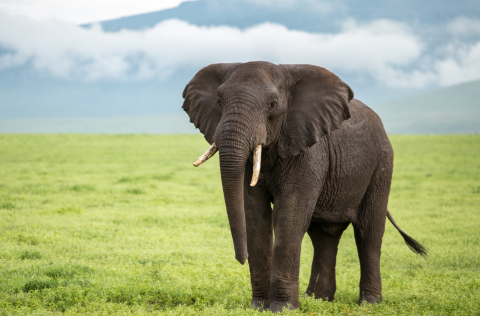
SYLLABUS GS-3: Conservation, environmental pollution and degradation, environmental impact assessment. Context: World Elephant Day, observed annually on 12 August, highlights the need to protect elephants and their habitats while promoting sustainable
संबंधित पाठ्यक्रम सामान्य अध्ययन-3: संरक्षण, पर्यावरण प्रदूषण और क्षरण, पर्यावरण प्रभाव आकलन। संदर्भ: विश्व हाथी दिवस प्रति वर्ष 12 अगस्त को मनाया जाता है। यह दिवस हाथियों और उनके आवासों की
SYLLABUS GS-2: Bilateral, regional and global groupings and agreements involving India and/or affecting India’s interests. Context: India and the Southern African Customs Union (SACU) signed the Terms of Reference (ToR) to
संबंधित पाठ्यक्रम सामान्य अध्ययन-2: भारत से संबंधित और/अथवा भारत के हितों को प्रभावित करने वाले द्विपक्षीय, क्षेत्रीय और वैश्विक समूह एवं करार। संदर्भ: भारत और दक्षिणी अफ्रीकी सीमा शुल्क संघ (SACU)
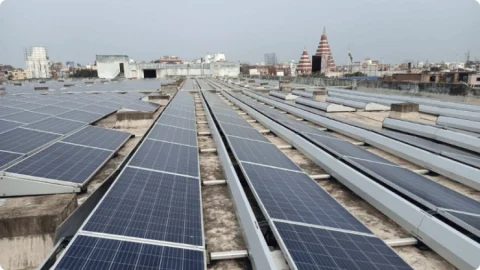
संदर्भ: हाल ही में, मुख्यमंत्री सम्राट चौधरी की अध्यक्षता में हुई बिहार मंत्रिमंडल की बैठक में रूफटॉप सौर ऊर्जा, कौशल विकास, उच्च शिक्षा, अपशिष्ट से ऊर्जा तथा विद्युत क्षेत्र की
Context: On Wednesday, the Bihar Cabinet, chaired by Chief Minister Samrat Choudhary, approved 11 proposals focused on rooftop solar, skill development, higher education, waste-to-energy and power-sector capacity expansion. About the
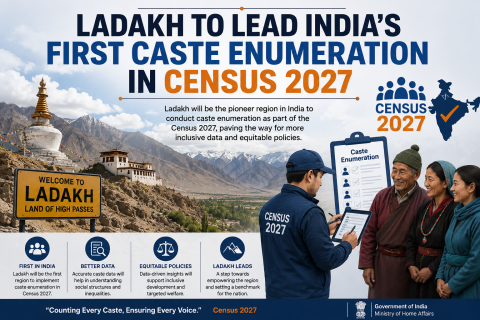
SYLLABUS GS-1: Population and associated issues, poverty and developmental issues, urbanization, their problems and their remedies. GS-2: Government Policies and Interventions for Development in various sectors and Issues arising out of their
संबंधित पाठ्यक्रम सामान्य अध्ययन-1: जनसंख्या और उससे संबंधित मुद्दे, गरीबी एवं विकास संबंधी मुद्दे, शहरीकरण, उनकी समस्याएँ तथा उनके समाधान। सामान्य अध्ययन-2: विभिन्न क्षेत्रों में विकास के लिए सरकारी नीतियाँ एवं