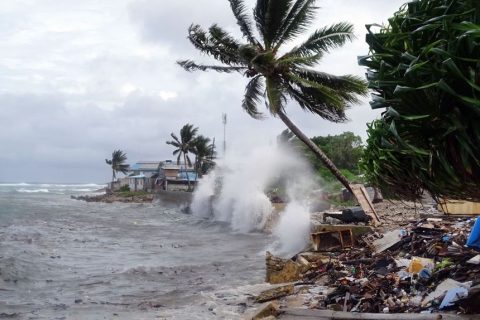
SYLLABUS GS-3: Conservation, environmental pollution and degradation; Disaster and disaster management. Context: The recently released UN Secretary-General’s Special Report, “Challenges related to sea-level rise and ways and approaches to address
SYLLABUS GS-2: Functions and responsibilities of the Union and the States, issues and challenges pertaining to the federal structure, devolution of powers and finances up to local levels and challenges therein.
SYLLABUS GS-2: Government Policies and Interventions for Development in various sectors and issues arising out of their Design and Implementation; Devolution of Powers and Finances up to Local Levels and
SYLLABUS GS-2: Parliament and State Legislatures — Structure, Functioning, Conduct of Business, Powers & Privileges and Issues Arising out of these. Context: The Public Accounts Committee (PAC) has examined the
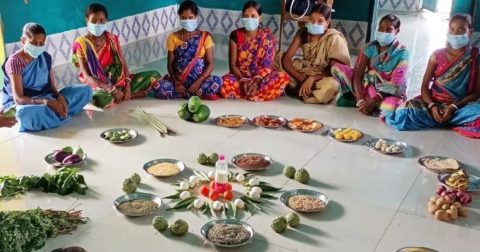
SYLLABUS GS-2: Welfare Schemes for Vulnerable Sections of the population by the Centre and States and the Performance of these Schemes. Context: The 9th Rashtriya Poshan Maah (National Nutrition Month) 2026
SYLLABUS GS-3: Conservation, environmental pollution and degradation. Context: The UNEP–Climate and Clean Air Coalition (CCAC) has released Hidden Assets: The Economic and Health Case for Climate and Clean Air Action, the
Context: In his Independence Day 2026 address, the Prime Minister presented the ‘Saptadhara’ (Seven Streams) Roadmap to transform India into a developed nation by 2047. The roadmap focuses on seven
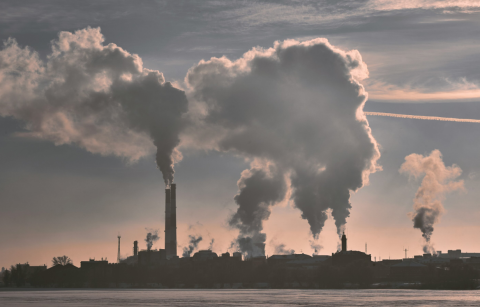
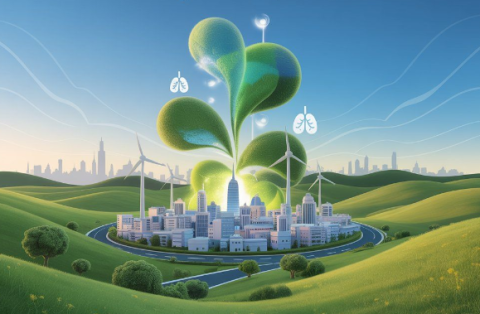
SYLLABUS GS-3: Conservation, environmental pollution and degradation. Context: The International Day of Clean Air for Blue Skies was observed recently on 7 September to promote awareness and action against air
SYLLABUS GS-3: Conservation, environmental pollution and degradation. Context: Recently, on the occasion of Swachh Vayu Diwas 2026 (7th September), the 5th Swachh Vayu Sarvekshan Awards were presented, recognising the best-performing
SYLLABUS GS-3: Science and Technology- Developments and their Applications and Effects in Everyday Life;Awareness in the fields of Bio-technology. Context: Bhutan has become the first country in the WHO South-East