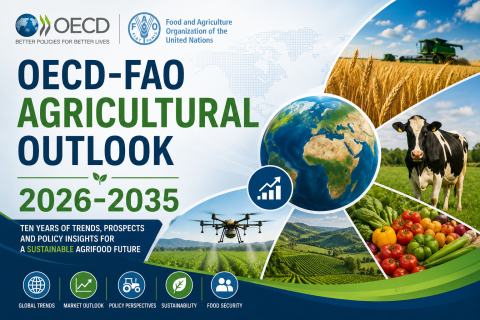
SYLLABUS GS-3: Issues of Buffer Stocks and Food Security; Infrastructure: Energy. Context: The recently released OECD–FAO Agricultural Outlook 2026–2035 projects sustained growth in global agriculture through productivity gains, while highlighting
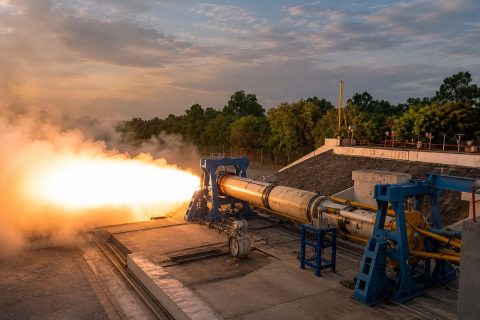
SYLLABUS GS-3: Achievements of Indians in Science & Technology; Indigenization of Technology and Developing New Technology. Context: ISRO successfully conducted the first ground test of the SOLVE (Sub-Orbital Launch Vehicle
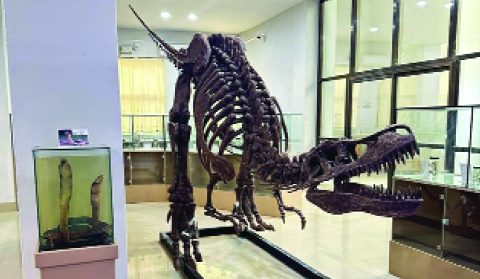
SYLLABUS GS-3: Conservation, environmental pollution and degradation, environmental impact assessment. Context: The Ministry of Environment, Forest and Climate Change has notified the Natural History Museum (NHM), Mizoram University, Aizawl, as
National Green Hydrogen Mission Strengthens India–Japan Clean Energy Partnership Context: In a significant milestone under the National Green Hydrogen Mission (NGHM), ACME Cleantech Solutions Private Limited signed long-term agreements with
SYLLABUS GS-2: Bilateral, Regional and Global Groupings and Agreements involving India and/or affecting India’s interests. GS-3: Indian Economy and issues relating to planning, mobilization of resources, growth, development, and employment.
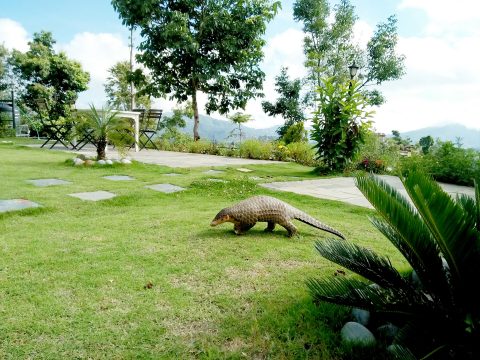
SYLLABUS GS-3: Conservation. Context: A recent study has confirmed the Himalayan pangolin (Manis aurita) as a distinct species, ending its long-standing classification as a subspecies of the Chinese pangolin (Manis
SYLLABUS GS-2: Government policies and interventions for development in various sectors and issues arising out of their design and implementation. GS-3: Indian Economy and issues relating to planning, mobilization of
SYLLABUS GS-3: Infrastructure: Airports, etc.; Indian Economy and issues relating to planning, mobilization of resources, growth, development, and employment. Context: The Prime Minister launched Viksit UDAN, the next phase of
SYLLABUS GS-2: Government Policies and Interventions for Development in various sectors and Issues arising out of their Design and Implementation; Important Aspects of Governance. Context: The University Grants Commission (UGC) has
SYLLABUS GS-3: Conservation, environmental pollution and degradation, environmental impact assessment. Context: The fifteenth meeting of the Open-ended Working Group (OEWG-15) of the Basel Convention was held in Geneva, Switzerland, to