
SYLLABUS
GS-3:Major crops-cropping patterns in various parts of the country; e-technology in the aid of farmers; Conservation, environmental pollution and degradation.
Context: The Dryland Congress 2026, held in New Delhi from 10–12 September 2026, concluded with the adoption of the Delhi Declaration on Drylands (3D), calling for greater cooperation, innovation and collective action to transform dryland agriculture across the Global South.
More on the News
- Theme: “Transforming Dryland Agriculture with South–South Cooperation”; the Congress was jointly organised by ICAR and ICRISAT and marked 50 years of their partnership.
- Global participation: Over 800 scientists, policymakers, farmer representatives and development partners from Asia, Africa and the Americas participated, deliberating on breeding, climate resilience, nutrition and markets, farming systems, seed systems, and gender and youth inclusion.
- South-South cooperation: The final day of the Congress coincided with the UN Day for South-South Cooperation (12th September).
Drylands: Why They Matter?
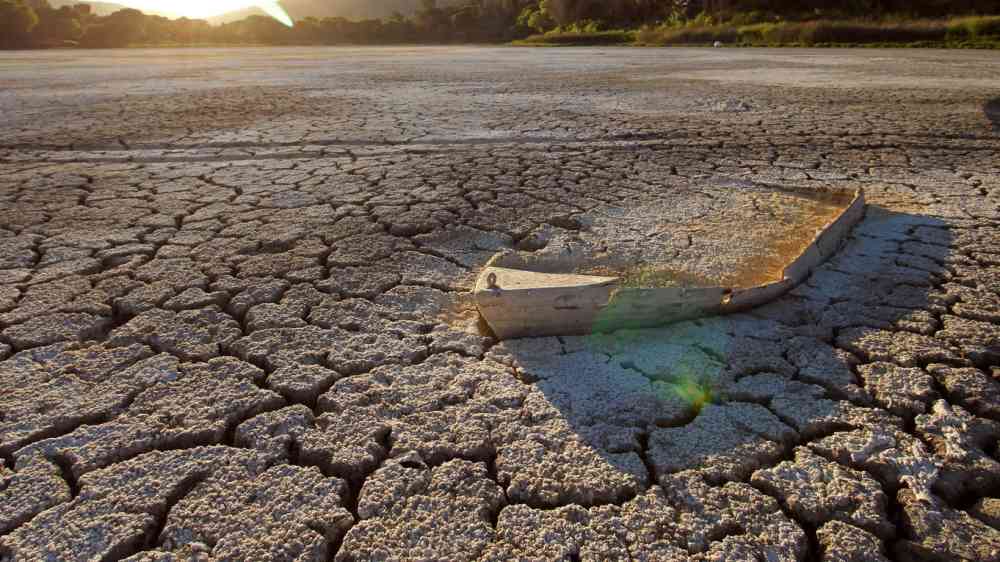
- Drylands comprise regions with limited and variable water availability and include arid, semi-arid and dry sub-humid areas.
- They cover about 45% of the world’s land surface and are home to over 2 billion people, many of whom depend on smallholder agriculture and face climate variability, land degradation and water scarcity.
- Major vulnerabilities:
- Erratic rainfall and recurrent drought
- Water scarcity and rising temperatures
- Land and soil degradation
- Low agricultural productivity
- Vulnerability of rural livelihoods to climate and market shocks
- Food-security significance: Drylands are strategically important for global food security, while their vulnerability makes resilient agricultural systems essential for sustaining livelihoods and nutrition.
- Transformation imperative: The challenge is therefore not merely to cope with drought, but to develop productive, resilient and sustainable dryland agri-food systems.
Key Highlights of the Delhi Declaration on Drylands
- South-South & triangular cooperation: Strengthen cross-border collaboration to exchange knowledge, technologies and successful agricultural models across the Global South.
- From innovation to scale: Accelerate the adoption, adaptation and scaling of proven agricultural innovations rather than limiting them to isolated research or pilot projects.
- Science, data & foresight: Strengthen robust data and information systems and place foresight at the centre of planning for emerging challenges in dryland agriculture.
- Living laboratories: Promote common innovation grounds or living laboratories that connect agricultural research with field practices and policymaking.
- Institutional partnerships: Strengthen collaboration among national agricultural research systems, international organisations, development partners and other stakeholders to translate scientific knowledge into practical solutions.
India’s Initiatives for Dryland Agriculture
- WDC-PMKSY 2.0: The Watershed Development Component of Pradhan Mantri Krishi Sinchayee Yojana promotes watershed development, rainwater harvesting, soil and moisture conservation and livelihood support in rainfed and degraded areas.
- REWARD Programme: Uses data, technology and institutional capacity-building to improve watershed management and agricultural resilience.
- ICAR Research: Focuses on drought-resilient crops, rainfed farming systems, soil-water conservation and climate adaptation.
- Millet Promotion: Encourages millets and other climate-resilient crops suited to low-water and dryland conditions.
- Micro-Irrigation: Per Drop More Crop promotes efficient water use through micro-irrigation, complementing watershed-based interventions.