
SYLLABUS
GS-2: Issues relating to development and management of Social Sector/Services relating to Health, Education, Human Resources.
Context: In a significant step towards strengthening child health services in the country, the Ministry of Health and Family Welfare released the Rashtriya Bal Swasthya Karyakram (RBSK) 2.0 Guidelines at the recently concluded National Summit on Good Practices and Innovations in Public Healthcare Service Delivery.
About the Rashtriya Bal Swasthya Karyakram (RBSK)
- The Rashtriya Bal Swasthya Karyakram (RBSK) aims to improve the overall quality of life of children through early screening, detection, and free treatment.
- It focuses on reducing disease burden and out-of-pocket expenditure.
- Coverage: The programme covers children from birth to 18 years, ensuring a continuum of care across different life stages. Screening is conducted at community and institutional levels.
- 4Ds Approach: RBSK is based on four categories—Defects at Birth, Diseases, Deficiencies, and Developmental Delays. It includes screening for around 32 common health conditions.
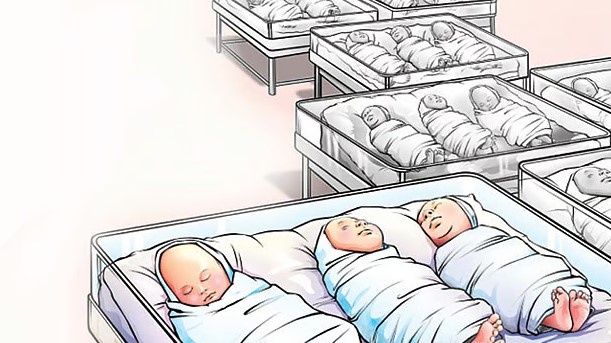
- Screening Mechanism: Screening is carried out at delivery points, Anganwadi Centres, and Government schools. ASHA workers also screen newborns under HBNC/HBYC programmes.
- Treatment and Referral: Children identified with health conditions are referred to District Early Intervention Centres (DEICs) for diagnosis and treatment. Advanced cases are linked to tertiary care, including empanelled private hospitals.
- Free Healthcare Services: All services, including surgeries, are provided free of cost. This ensures timely treatment and reduces financial burden on families.
- Programme Reach: Since FY 2014–15, about 160.82 crore children have been screened. Around 5.63 crore children have received secondary or tertiary care treatment.
RBSK 2.0 Guidelines
- Expanded Scope: RBSK 2.0 strengthens the 4Ds framework by including non-communicable diseases, mental health issues, and behavioural disorders. It reflects emerging child health challenges.
- Lifecycle-Based Approach: The programme now emphasizes a comprehensive, lifecycle-based approach from birth to 18 years. It ensures continuous care rather than isolated interventions.
- Enhanced Screening: Screening now covers developmental disorders, mental health conditions, and NCD risk factors. Mobile Health Teams continue outreach at schools and Anganwadi Centres.
- Strengthened Referral System: Clear referral pathways ensure smooth transition from screening to treatment. A tracking system minimizes dropouts and ensures follow-up care.
- Digital Health Integration: The guidelines introduce digital health cards, real-time data systems, and integrated platforms. These improve monitoring, efficiency, and decision-making.
- Multi-sectoral Convergence: The programme promotes coordination between health, education, and women & child development sectors. Schools and Anganwadi Centres act as key service delivery points.