SYLLABUS
GS-2: Issues relating to development and management of Social Sector/Services relating to Health.
GS-3: Science and Technology- Developments and their Applications and Effects in Everyday Life.
Context: Recently, Scientists at CSIR – National Institute for Interdisciplinary Science and Technology (CSIR–NIIST), Thiruvananthapuram, have developed ‘designer rice’, a high-protein, low glycemic index (GI) grain for Type 2 diabetes.
More on the News:
- The rice is claimed to have three times the protein of normal grains while maintaining a low glycemic index, helping in diabetes management.
- The technology has also been transferred to Tata Consumer Products Limited for commercialisation, indicating its potential for large-scale public use.
About Designer Rice
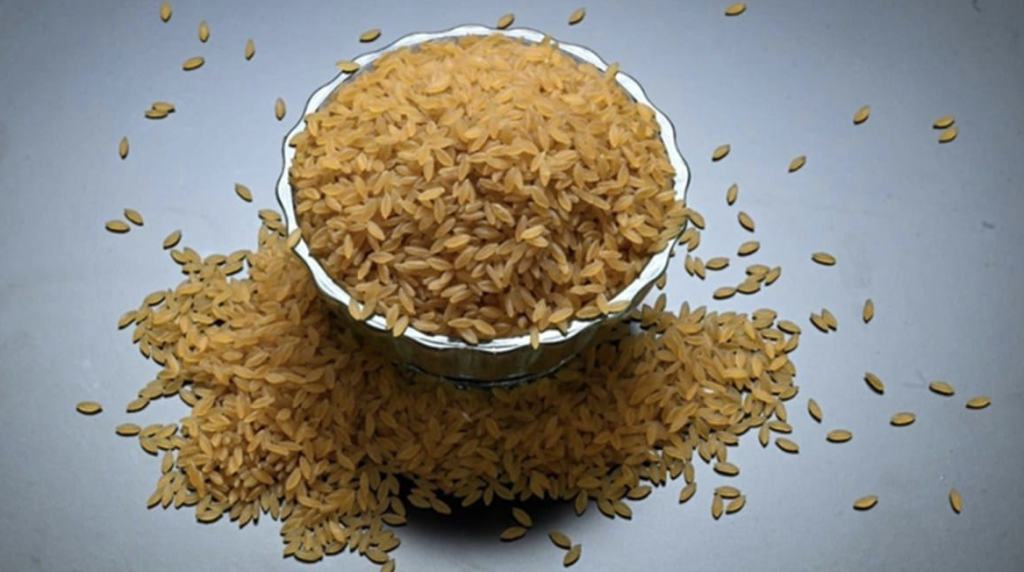
- ‘Designer rice’ refers to rice that is scientifically altered using food-processing technology to improve its nutritional composition.
- It is not a simple surface fortification but a “fundamental re-architecture of the grain”, where its internal composition is redesigned.
- The process involves deconstructing rice into starch, protein, and fibre, and then reassembling them in a controlled manner, ensuring that the final product retains the same taste, appearance, and cooking properties as conventional rice.
- Technology and Production Process
- The innovation uses broken rice, usually a low-value byproduct. This is ground into flour, blended with protein and micronutrients such as iron, folic acid, and vitamin B12, and then reformed into rice-like grains.
- This approach not only improves nutrition but also adds value to agricultural waste, making it economically and environmentally significant.
- Key nutritional features of the designer rice
- Low glycaemic index (GI < 55) – Supports improved blood sugar management and metabolic regulation
- >20% Protein content – Substantially higher protein levels compared to conventional polished rice
- Improved dietary fibre – Contributes to digestive health and prolonged satiety
- Micronutrient enrichment – Includes iron, folic acid, and vitamin B12 to address dietary deficiencies
- Advantages:
- Enhanced nutritional quality in a widely consumed staple
- Improved glycaemic control supporting metabolic health
- Reduction in micronutrient deficiencies
- Delivery of essential vitamins and minerals within traditional dietary frameworks
- Improved satiety and favourable sensory acceptance
- Scalable extrusion-based production suitable for large-scale food systems
- Difference between regular rice and designer rice
- Regular white rice is predominantly carbohydrates and has a higher glycemic index (GI), leading to quicker spikes in blood sugar levels.
- Designer rice, in contrast, has higher protein content and a lower GI, making it more nutritionally balanced and beneficial for controlling blood sugar levels and enhancing satiety.
- Target Beneficiaries
- Designer rice is particularly useful for children, elderly individuals, and people recovering from illness, who have higher nutritional needs.
- It is also beneficial for vegetarians and low-income groups, as it enhances nutrition without requiring a shift to expensive dietary alternatives.
- Economic and Policy Relevance
- By utilising broken rice, the innovation increases value addition in agriculture.
- Its large-scale adoption can support food security and nutritional security, and it holds potential for integration into public food distribution and nutrition programmes.
- Promotes a circular economy in agriculture by utilising broken rice, an underutilised byproduct of milling.
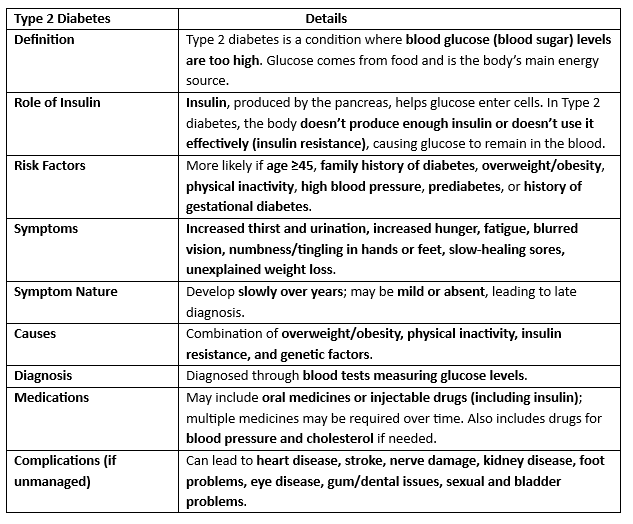
About Type 2 Diabetes