
SYLLABUS
GS-2:Functions and Responsibilities of the Union and the States, Issues and Challenges Pertaining to the Federal Structure.
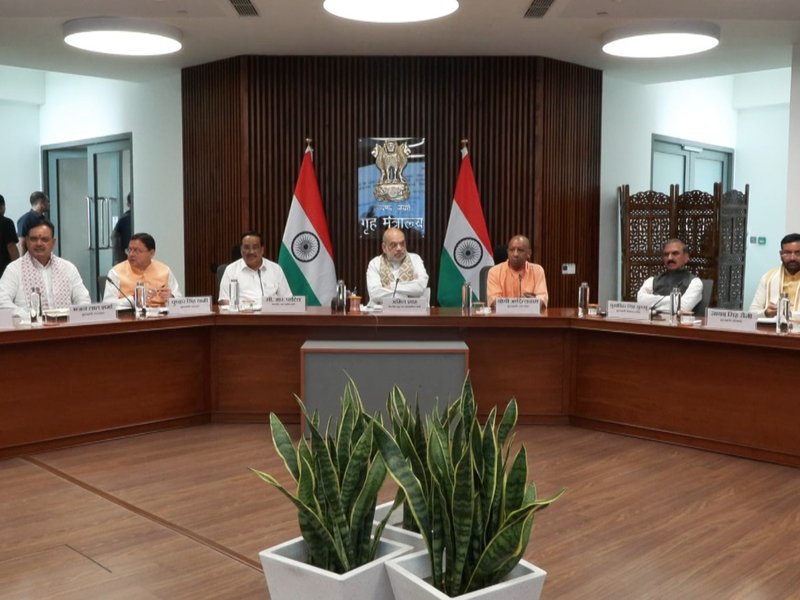
Context: Six Yamuna-basin States/UT signed an agreement on 15 September 2026 for the long-pending Kishau Multipurpose Project, paving the way for its implementation.
Key Highlights of the Agreement
- Six signatories: Himachal Pradesh, Uttarakhand, Uttar Pradesh, Haryana, Rajasthan and Delhi signed the agreement in New Delhi.
- Central assistance: The Centre will provide 90% of the cost of the water component as Central Assistance, with the remaining share to be borne by the participating States under the agreed arrangement.
- Cost-benefit arrangement: Himachal Pradesh’s share of water will be allocated to Delhi and Rajasthan. These two States will bear Himachal Pradesh’s share of the power-component cost in a 75:25 ratio, respectively.
- Next step: The agreement will facilitate the project’s implementation after the prolonged inter-State deadlock and will proceed through the required approval process.
About the Kishau Multipurpose Project
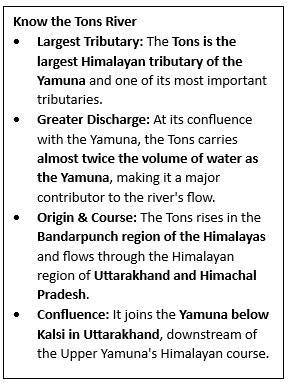
- Location: The project is proposed on the Tons River, along the Himachal Pradesh–Uttarakhand border, covering parts of Sirmaur district in Himachal Pradesh and Dehradun district in Uttarakhand.
- Dam: A 232.6-metre-high concrete gravity dam is proposed.
- Multipurpose nature: The project combines water storage, irrigation, drinking and industrial water supply and hydropower generation.
- Power: It has an installed capacity of 422 MW and is expected to generate around 1,476 million units of clean hydropower annually.
- Irrigation: The project is expected to create irrigation potential over approximately 97,000 hectares.
- Water supply: Benefits are envisaged for Haryana, Delhi, Rajasthan and Uttar Pradesh, while Uttarakhand and Himachal Pradesh also have specified water allocations under the agreement.
Kishau and the Upper Yamuna Water-Sharing Framework
- 1994 Upper Yamuna Agreement: On 12 May 1994, Haryana, Uttar Pradesh, Rajasthan, Himachal Pradesh and Delhi agreed on the allocation of utilisable surface waters of the Upper Yamuna Basin. Uttarakhand subsequently became a party after its creation in 2000.
- Need for storage: The framework recognised the need for storage projects to regulate seasonal flows and improve the reliable utilisation of Upper Yamuna waters.
- Three major projects: Kishau, Lakhwar and Renukaji were envisaged as major storage projects in the Upper Yamuna system.
- Separate project agreements: The 1994 framework envisaged separate agreements for individual storage projects, providing the institutional basis for the present Kishau agreement.
Why Was Kishau Delayed?
- Cost-sharing concerns: States differed over the distribution of project costs and the corresponding benefits, particularly regarding the financial burden on Himachal Pradesh.
- Submergence and displacement: The proposed reservoir involves land submergence and associated rehabilitation concerns in the project area.
- Distribution of benefits: Himachal Pradesh would bear impacts within its territory, while substantial water benefits would accrue to downstream States. The absence of an acceptable cost-benefit arrangement prolonged the deadlock.
- 2026 breakthrough: The Centre and participating States reached consensus on the cost-sharing arrangement in June 2026, including a special mechanism for Himachal Pradesh’s water and power components.
Significance of the Agreement
- Upper Yamuna water security: Regulated storage can strengthen water availability for drinking, irrigation and industrial requirements across the beneficiary regions.
- Yamuna flows and conservation: The project is expected to contribute to more regulated flows in the Yamuna. Union Home Minister Amit Shah linked the agreement to improved water availability and Yamuna conservation, including a stated estimate that 25% of the water would become available through the agreement.
- Irrigation and clean energy: Kishau combines approximately 97,000 hectares of irrigation potential with 422 MW of hydropower capacity, providing both agricultural and renewable-energy benefits.
- Cooperative federalism: The agreement demonstrates how Central assistance and negotiated cost-benefit sharing can help unlock long-pending inter-State water infrastructure.
- Integrated basin development: Together with Lakhwar and Renukaji, Kishau strengthens the storage infrastructure envisaged for the Upper Yamuna Basin.