
SYLLABUS
GS-1: Modern Indian history from about the middle of the eighteenth century until the present- significant events, personalities, issues.
Context: The Government of India has commenced the nationwide commemoration of the 200th Birth Anniversary of Mahatma Jyotiba Phule through a two-year-long celebration from 11 April 2026 to 11 April 2028, as part of its efforts to honour his contributions to social justice, education, and equality.
About the Mahatma Jyotiba Phule
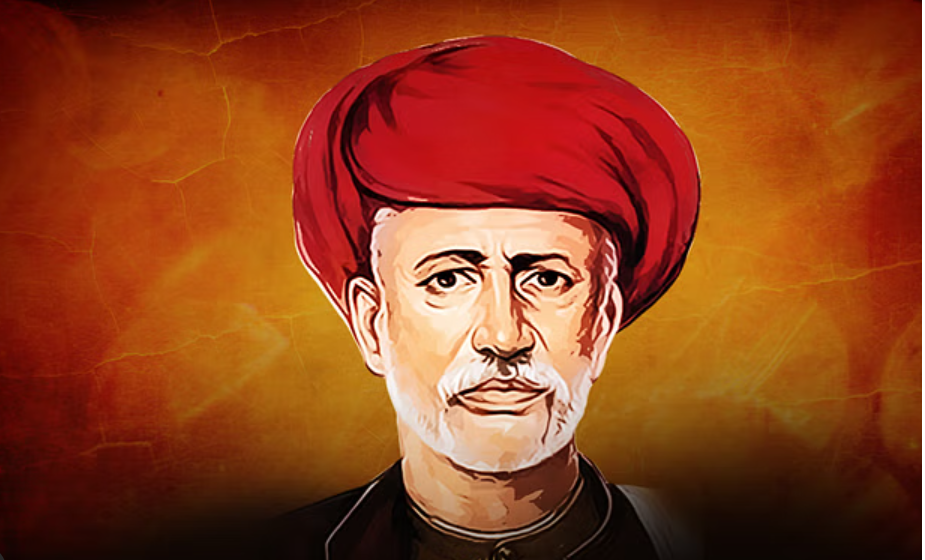
- Jyotirao Govindrao Phule (11 April 1827 – 28 November 1890) was an Indian social reformer, writer, and champion of equality for lower castes, women, and poor labourers.
- Born in the Bombay Presidency (present-day Maharashtra), he belonged to the Mali caste (gardeners and vegetable farmers), classified under the Shudra social class.
- Early Life and Influences:
- He studied at the Scottish Mission School in Pune, completing his education in 1847.
- He was influenced by thinkers like Thomas Paine and his work Rights of Man, as well as anti-slavery movements, the teachings of Buddha, and poet-saint Kabir.
- A turning point came in 1848, when he was insulted at a Brahmin wedding due to his caste, shaping his lifelong opposition to caste discrimination.
- He was a strong critic of the Hindu caste system, which ranked people by birth and led to discrimination against Shudras and present-day Dalits.
- He was conferred the title “Mahatma” in 1888 by Vithalrao Krishnaji Vandekar.
- His major work, Gulamgiri (1873), compared caste oppression in India with slavery in the United States.
- Satyashodhak Samaj (1873): Founded Satyashodhak Samaj to promote social equality and upliftment of non-Brahmins.
- Encouraged non-Brahmin rituals and social reforms.
- Supported by reformist rulers like Chhatrapati Shahu Maharaj.
Education and Women’s Rights:
- Believing education to be the key to social change, Phule:
- Educated his wife, Savitribai Phule, who became India’s first woman teacher.
- Opened the first girls’ school in 1848 at Bhidewada, Pune.
- Established schools for Shudras, Ati-Shudras, and Dalits.
- He opposed child marriage and supported widow remarriage.
- Established a home for pregnant widows and an orphanage; later adopted one of the children.
Fight Against Caste System:
- Phule rejected Brahminical dominance and argued that caste inequality was imposed and unjust.
- He worked for the dignity and upliftment of Shudras and Dalits, and is believed to be among the first to use the term “Dalit” for oppressed communities.
- Opened his personal well for all castes, symbolizing social equality.
Legacy of Jyotiba Phule
- Phule’s work laid the foundation for anti-caste and social justice movements in India.
- His ideas deeply influenced B. R. Ambedkar and later Dalit movements.
- Key aspects of his legacy:
- Promotion of universal education, especially for women and marginalized groups.
- Early advocacy for gender equality and social justice.
- Institutional challenge to caste hierarchy and Brahminical dominance.
- His vision of an egalitarian society continues to inspire efforts to eliminate caste discrimination in modern India.