SYLLABUS GS-3: Indian Economy and issues relating to Planning, Mobilization of Resources, Growth, Development and Employment. Context: The Reserve Bank of India (RBI) has launched the integrated ombudsman scheme to
SYLLABUS GS-2: Bilateral, regional and global groupings and agreements involving India and/or affecting India’s interests; Important International institutions, agencies and fora - their structure, mandate. Context: Recently, a landmark UN biodiversity
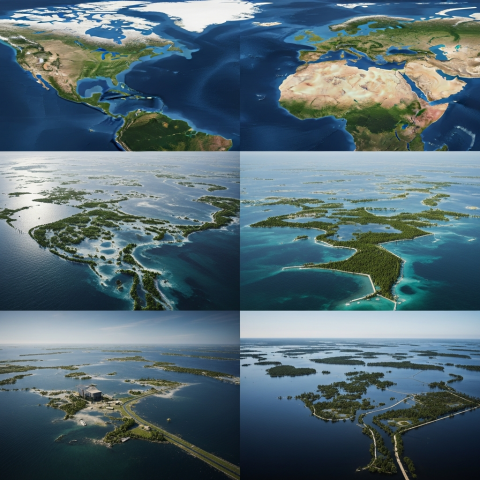
SYLLABUS GS 1: Salient features of world’s physical geography. GS 3: Conservation, environmental pollution and degradation. Context: A study published in journal Nature shows that major river deltas, including the
SYLLABUS GS-2: Important International Institutions, agencies and fora - their Structure, Mandate. Context: The Global Risks Report 2026, prepared by the World Economic Forum (WEF), is the 21st edition of
SYLLABUS GS2: Important International institutions, agencies and fora- their structure, mandate. Issues Relating to Development and Management of Social Sector/Services relating to Health, Education, Human Resources. Context: The WHO’s 2025 Global
Thiruvalluvar Day Context: On Thiruvalluvar Day, the Prime Minister paid tribute to sage Thiruvalluvar, acknowledging the enduring relevance of his literary works and ethical teachings in guiding society across generations.
SYLLABUS GS-3: Indian Economy and issues relating to planning, mobilisation of resources, growth, development and employment. Context: India observed National Startup Day on January 16, 2026, marking a decade since the
SYLLABUS GS-3: Indian Economy and issues relating to Planning, Mobilization of Resources, Growth, Development and Employment. Context: The report, launched in New Delhi by NITI Aayog Member Arvind Virmani and
SYLLABUS GS-3: Science and Technology- Developments and their Applications and Effects in Everyday Life. Awareness in the fields of IT, Space, Computers, Robotics, Nano-technology, Bio-technology and issues relating to Intellectual Property
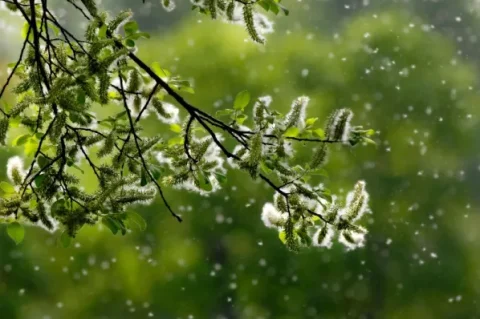
SYLLABUS GS-1: Salient features of world’s physical geography. Context: A palaeoclimate study using lake sediment pollen from Central India reveals that the Indian Summer Monsoon was significantly stronger during the