SYLLABUS GS-2: Government policies and interventions for development in various sectors and issues arising out of their design and implementation. GS-3: Conservation, environmental pollution and degradation, environmental impact assessment. Context: Recently, NITI
SYLLABUS GS-3: Awareness in the fields of IT, Space, Computers, robotics, Nano-technology, bio-technology and issues relating to intellectual property rights. Context: Recently, the Union Minister for Electronics and IT has said
संबंधित पाठ्यक्रम सामान्य अध्ययन-3: सूचना प्रौद्योगिकी (IT), अंतरिक्ष, कंप्यूटर, रोबोटिक्स, नैनो-प्रौद्योगिकी, जैव-प्रौद्योगिकी और बौद्धिक संपदा अधिकारों से संबंधित विषयों के संबंध में जागरूकता। संदर्भ: हाल ही में, केंद्रीय इलेक्ट्रॉनिक्स और
SYLLABUS GS-2:Welfare schemes for vulnerable sections of the population by the Centre and States and the performance of these schemes. Context: Recently, the Union Cabinet approved the continuation of the
संबंधित पाठ्यक्रम सामान्य अध्ययन-2: केंद्र और राज्यों द्वारा देश के अति-संवेदनशील वर्गों के लिए बनाई गई कल्याणकारी योजनाएं और उन योजनाओं का कार्य-निष्पादन। संदर्भ: हाल ही में, केंद्रीय मंत्रिमंडल ने
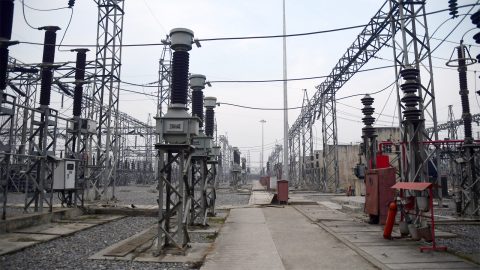
SYLLABUS GS-2: Government Policies and Interventions for Development in various sectors and Issues arising out of their Design and Implementation. Context: The government has released the new “Draft National Electricity
संबंधित पाठ्यक्रम सामान्य अध्ययन-2: सरकारी नीतियाँ और विभिन्न क्षेत्रों में विकास के लिए हस्तक्षेप, उनके अभिकल्पन और कार्यान्वयन से संबंधित विषय। संदर्भ: भारत सरकार ने "राष्ट्रीय विद्युत नीति 2026"
SYLLABUS GS-2:Issues relating to development and management of Social Sector/Services relating to Health Context: Recently, a study published in the Lancet Diabetes and Endocrinology reported that India had the world’s
संबंधित पाठ्यक्रम सामान्य अध्ययन-2: स्वास्थ्य से संबंधित सामाजिक क्षेत्र/सेवाओं के विकास और प्रबंधन से संबंधित विषय। संदर्भ: हाल ही में 'लैंसेट डायबिटीज एंड एंडोक्रिनोलॉजी' में प्रकाशित एक अध्ययन के अनुसार,
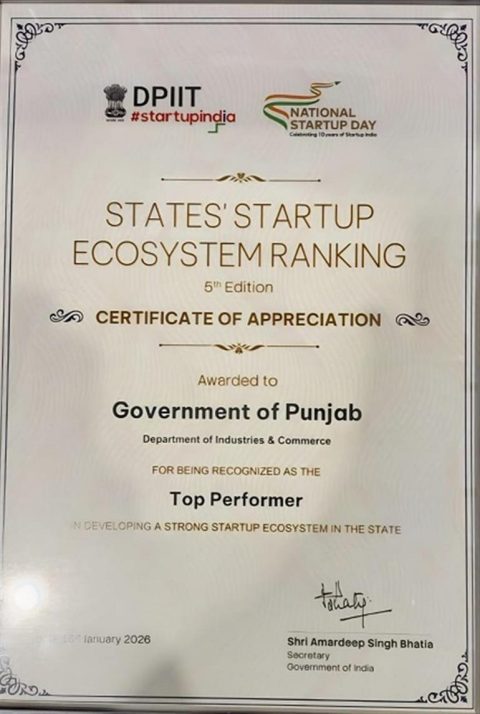
SYLLABUS GS-3: Indian Economy and issues relating to Planning, Mobilization of Resources, Growth, Development and Employment. Context: The 5th edition of the State Ranking Framework (SRF 5.0) released by DPIIT