
SYLLABUS
Paper I Prelims: Current events of national and international importance.
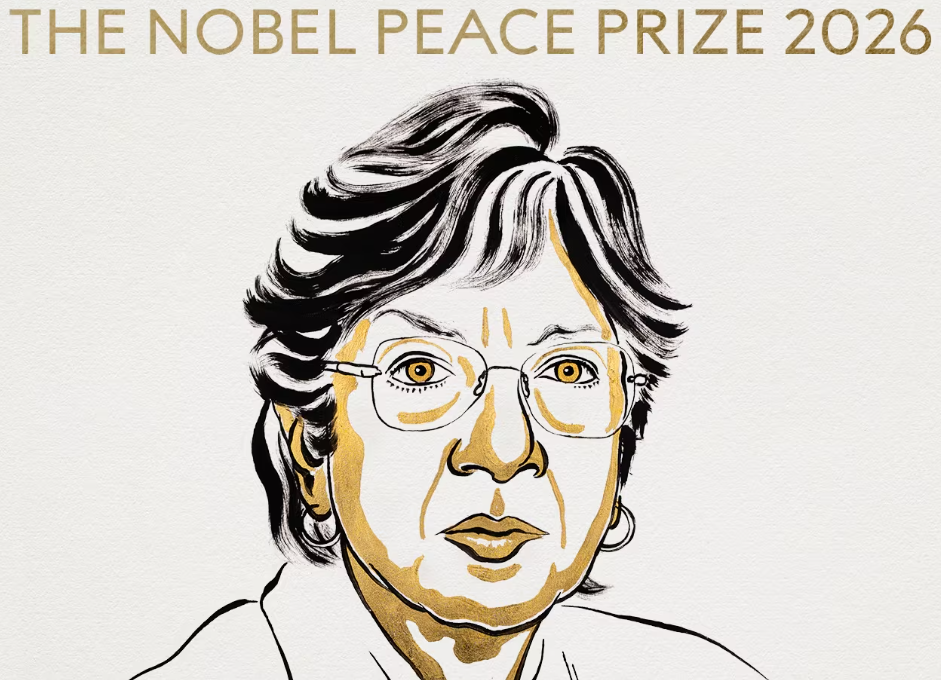
Context: The Norwegian Nobel Committee awarded the 2026 Nobel Peace Prize to South African jurist Navanethem “Navi” Pillay for her efforts to promote peace and international law, making her the fifth South African and the first South African woman to receive the award.
Key Contributions of Navi Pillay
• Early Legal Career: Established her law practice in Natal in 1967, becoming the first woman to do so.
- She defended anti-apartheid activists and secured rights, including legal representation, for political prisoners on Robben Island.
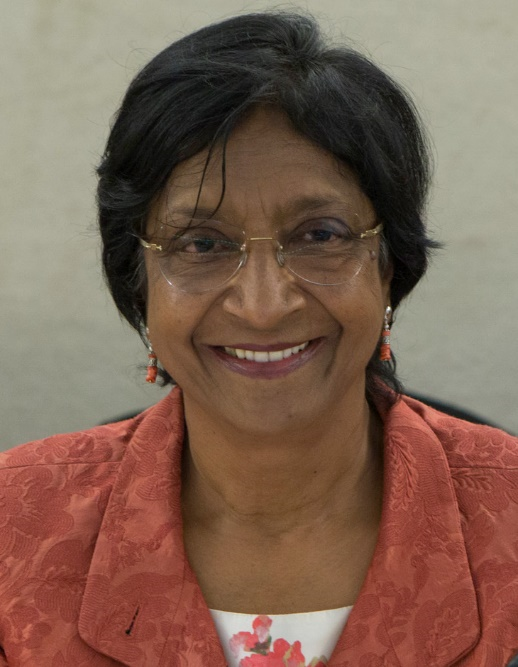
• Judicial Milestones: Became the first woman of colour to serve on South Africa’s High Court in 1995.
- She later served as a judge and president (1999–2003) of the International Criminal Tribunal for Rwanda (ICTR).
• Landmark Akayesu Judgment (1998): Contributed to recognising rape and sexual violence as acts of genocide and crimes against humanity.
- The case also established accountability for direct and public incitement to genocide through propaganda.
• International Criminal Court (ICC): Served as a judge from 2003 to 2008, contributing to the prosecution of individuals accused of serious international crimes.
• UN High Commissioner for Human Rights: Served from 2008 to 2014, advancing human rights, gender equality and protection for vulnerable groups.
• Gaza Inquiry (2021–2025): Chaired the UN Independent International Commission of Inquiry on the Occupied Palestinian Territory.
- In 2025, it concluded that Israel had committed four genocidal acts in Gaza with the specific intent to destroy Palestinians in Gaza. Israel rejected the findings.
• International Court of Justice (ICJ): Served as an ad hoc judge (2019) in the case concerning allegations of genocide against Myanmar.
About the Nobel Prize
• The Nobel Prizes were established through the will of Alfred Nobel, the Swedish inventor, scientist and entrepreneur.
• In his 1895 will, Nobel directed that his fortune should be used to reward those who had conferred the “greatest benefit to humankind.”
• The first Nobel Prizes were awarded in 1901.
• Nobel originally specified five prize categories: Physics, Chemistry, Physiology or Medicine, Literature and Peace.
• The Sveriges Riksbank Prize in Economic Sciences in Memory of Alfred Nobel was established in 1968 and is administered within the Nobel Prize system, although it was not one of the prizes specified in Nobel’s original will.
• The Nobel Peace Prize is awarded by the Norwegian Nobel Committee.
• The Nobel Prizes are officially handed out on 10 December, the anniversary of Alfred Nobel’s death.
• The term Nobel laureate comes from the ancient Greek tradition of awarding laurel wreaths to victors as a sign of honour.