

SYLLABUS
GS-2: Regional and global groupings involving India and/or affecting India’s interests.
GS-3: Infrastructure: Energy
Context: The Finance Ministry’s latest Monthly Economic Review for February 2026, prepared by the Department of Economic Affairs, warned that rising tensions in West Asia could affect India’s energy security and macroeconomic stability.
More on the News
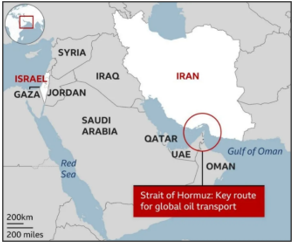
• The Conflict has disrupted shipping through the Strait of Hormuz, the world’s most critical oil chokepoint, handling 20% of global oil flows.
• The review highlighted that disruptions in oil and gas supply chains and shipping routes could increase India’s import bill and worsen the inflation outlook.
• The government has invoked emergency powers and directed oil refiners to maximise production of liquefied petroleum gas to prevent possible shortages.
Key Highlights of the Monthly Economic Review
• Oil Price Spike and Risks:
- The review stated that Brent crude oil prices increased by around 9% and approached eighty dollars per barrel after the escalation of the conflict.
- The analysis noted that global liquefied natural gas prices increased sharply with a surge of nearly 50% due to supply concerns.
- The report observed that India currently maintains strong macroeconomic buffers, which include high foreign exchange reserves and a low current account deficit of about 0.8% of GDP during the first half of FY26.
- The review stated that these macroeconomic conditions allow India to mitigate the short-term impact of rising global energy prices.
• Inflation and Macroeconomic Risks:
- The review noted that higher crude oil prices could transmit into domestic inflation through increased transport and production costs.
- It is estimated that if crude oil prices rise 10 per cent above baseline assumptions, inflation could increase by about 30 basis points.
- India’s consumer price inflation stood at 2.75% in January 2026, but sustained increases in energy prices could complicate the inflation outlook.
• External Sector and Fiscal Implications:
- The analysis warned that prolonged disruption in global energy supplies may create pressure on the exchange rate and widen the current account deficit.
- The report recommended periodic stress testing of the balance of payments to prepare for potential global shocks.
- The analysis suggested that oil prices may need to remain above one hundred dollars per barrel for a prolonged period to significantly strain India’s macroeconomic stability.
Impact on Domestic Fuel Prices
• Domestic liquefied petroleum gas prices increased in Delhi, with household Liquefied Petroleum Gas (LPG) cylinder prices rising by ₹60.
• Commercial LPG cylinder prices also increased significantly, reflecting the immediate impact of global energy volatility.
• Indian oil marketing companies have not yet revised petrol and diesel prices and are monitoring global crude oil movements.
• India is the world’s second-biggest importer of LPG, with imports accounting for about two-thirds of LPG consumption. West Asia makes up about 85-90% of that supply.