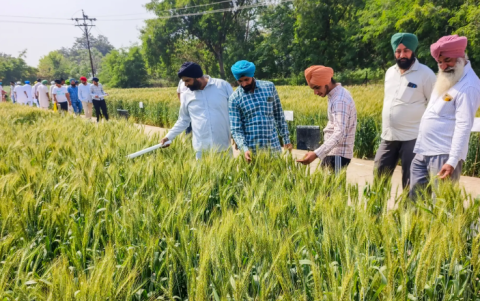
SYLLABUS GS-3: Major crops-cropping patterns in various parts of the country, transport and marketing of agricultural produce and issues and related constraints; e-technology in the aid of farmers. Context: India
शरतचंद्र चट्टोपाध्याय की 150वीं जयंती संदर्भ: प्रधानमंत्री नरेंद्र मोदी ने 15 सितंबर 2026 को बंगाली लेखक शरतचंद्र चट्टोपाध्याय की 150वीं जयंती के अवसर पर उन्हें श्रद्धांजलि अर्पित की। शरतचंद्र चट्टोपाध्याय
150th Birth Anniversary of Saratchandra Chattopadhyay Context: Prime Minister Narendra Modi paid tribute to Bengali writer Saratchandra Chattopadhyay on his 150th birth anniversary on 15 September 2026. About Saratchandra Chattopadhyay
संबंधित पाठ्यक्रम सामान्य अध्ययन-3:भारतीय अर्थव्यवस्था और योजना, संसाधनों को जुटाने, प्रगति, विकास और रोजगार से संबंधित विषय; समावेशी विकास तथा उससे संबंधित विषय। संदर्भ: केंद्रीय मंत्रिमंडल ने कर्मचारी भविष्य निधि
SYLLABUS GS-3:Indian Economy and Issues Relating to Planning, Mobilization of Resources, Growth, Development, and Employment; Inclusive growth and issues arising from it. Context: The Union Cabinet has approved raising the
संबंधित पाठ्यक्रम सामान्य अध्ययन-3:विज्ञान एवं प्रौद्योगिकी - विकास तथा अनुप्रयोग और रोजमर्रा के जीवन पर उनके प्रभाव; प्रौद्योगिकी का स्वदेशीकरण एवं नई प्रौद्योगिकी का विकास; सूचना प्रौद्योगिकी और अंतरिक्ष के
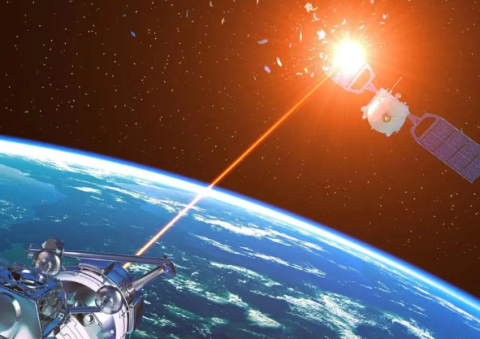
SYLLABUS GS-3:Science and Technology- developments and their applications and effects in everyday life; indigenization of technology and developing new technology; Awareness in the fields of IT, Space. Context: The United
संबंधित पाठ्यक्रम सामान्य अध्ययन-3:संरक्षण, पर्यावरण प्रदूषण एवं क्षरण, पर्यावरण प्रभाव का आकलन। संदर्भ: कोपरनिकस वायुमंडलीय निगरानी सेवा (सीएएमएस) ने बताया कि सितंबर 2026 में अंटार्कटिक ओज़ोन छिद्र का विस्तार तेजी
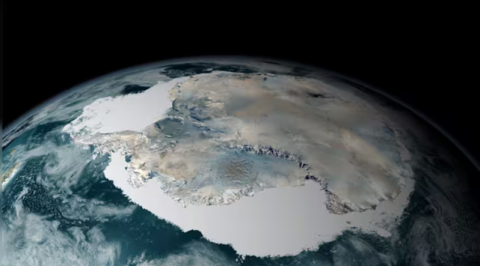
SYLLABUS GS-3:Conservation, environmental pollution and degradation, environmental impact assessment. Context: The Copernicus Atmosphere Monitoring Service (CAMS) reported that the Antarctic ozone hole expanded sharply in September 2026, reaching about 25
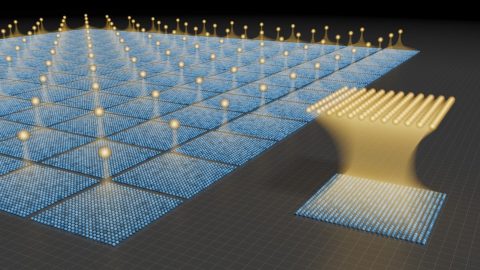
संबंधित पाठ्यक्रम सामान्य अध्ययन-3: विज्ञान एवं प्रौद्योगिकी में भारतीयों की उपलब्धियाँ; देशज रूप से प्रौद्योगिकी का विकास एवं नई प्रौद्योगिकी का विकास; सूचना प्रौद्योगिकी और अंतरिक्ष के क्षेत्र में जागरूकता।