
SYLLABUS
GS-1: Modern Indian history from about the middle of the eighteenth century until the present- significant events, personalities, issues.
Context: The birth anniversary of Kittur Rani Chennamma and the 202nd anniversary of her victory against the British East India Company in 1824 were commemorated on 23 October 2026 at Prerana Sthal in the Parliament complex, New Delhi.
About Kittur Rani Chennamma
- Birth: Born on 23 October 1778 in Kakati village, present-day Belagavi district, Karnataka, into a Lingayat family.
- Early Life: Trained in horse riding, sword fighting and archery.
- Married Raja Mallasarja of Kittur at the age of 15.
- Succession Crisis: After her husband’s death in 1816 and her only son’s death in 1824, she adopted Shivalingappa as heir to the throne.
- Cause of Revolt: The British East India Company rejected Shivalingappa’s succession.
- Chennamma’s appeal to the Governor of Bombay was rejected, prompting her resistance to British intervention.
- Doctrine of Lapse: Her revolt preceded the formal implementation of the Doctrine of Lapse under Lord Dalhousie (1848–1856).
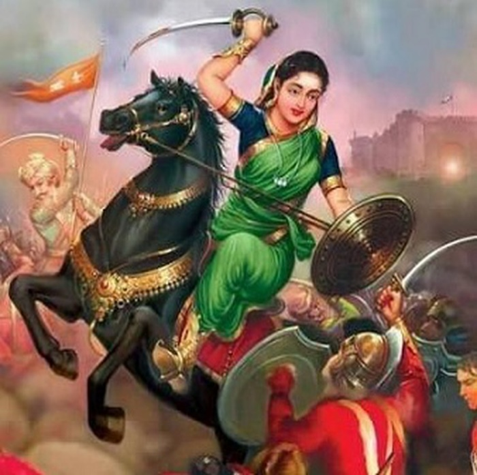
- First Battle of Kittur (23rd October 1824): Chennamma’s forces defeated the British, and British official St. John Thackeray was killed. Amatur Balappa played an important role.
- Hostage Release: Her forces captured two British officers, Walter Elliot and Stevenson. She released them after the British promised to end hostilities, but the British subsequently resumed the conflict.
- Defeat and Death: Following a stronger British attack in December 1824, Chennamma was captured and imprisoned at Bailhongal Fort, where she died on 21 February 1829.
Legacy of Kittur Rani Chennamma
- Early Anti-Colonial Resistance: Among the earliest Indian rulers to lead an armed revolt against the British East India Company, decades before the Revolt of 1857.
- Women’s Empowerment: An enduring symbol of courage, women’s leadership and resistance to injustice.
- Cultural Heritage: Remembered through Kannada folk songs, Lavani performances and folklore, alongside associates such as Sangolli Rayanna and Guru Siddappa.
- Kittur Utsava: An annual October festival commemorating her victory and Karnataka’s historical heritage.
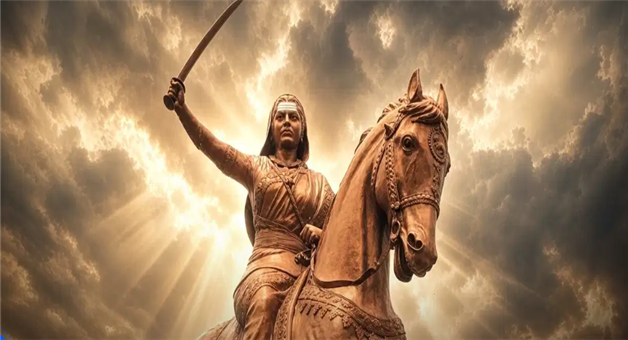
- National Recognition: Her statue was unveiled in the Parliament complex on 11 September 2007 by former President Pratibha Devisingh Patil.
- Transport Recognition: Indian Railways named the Rani Chennamma Express after her.