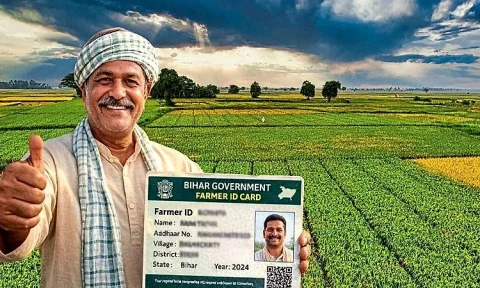
संबंधित पाठ्यक्रम सामान्य अध्ययन-3: किसानों की सहायता के लिए ई-प्रौद्योगिकी। किसान आईडी: प्रमुख विवरण डिजिटल कृषि मिशन और एग्रीस्टैक के बारे में महत्त्व और संभावित अनुप्रयोग चिंताएँ और आगे की
SYLLABUS GS-3: e-technology in the aid of farmers. Context: The Ministry of Agriculture and Farmers Welfare achieved the target of creating 11 crore Farmer IDs nearly five months ahead of
रक्षा अधिग्रहण परिषद (DAC) ने ₹2.12 लाख करोड़ के पूंजीगत खरीद प्रस्तावों को मंजूरी दी संदर्भ: रक्षा मंत्री राजनाथ सिंह की अध्यक्षता में रक्षा अधिग्रहण परिषद (DAC) ने सशस्त्र बलों
Defence Acquisition Council (DAC) Approves Capital Procurement Proposals Worth ₹2.12 Lakh Crore Context: The Defence Acquisition Council (DAC), chaired by Defence Minister Rajnath Singh, approved capital acquisition proposals worth approximately
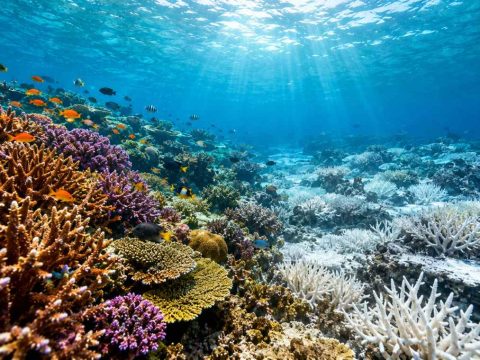
संबंधित पाठ्यक्रम सामान्य अध्ययन-1: विश्व के भौतिक भूगोल की प्रमुख विशेषताएँ। सामान्य अध्ययन -3: संरक्षण, पर्यावरण प्रदूषण एवं क्षरण तथा पर्यावरण प्रभाव आकलन। संदर्भ: अंतरराष्ट्रीय प्रकृति संरक्षण संघ (IUCN) की
SYLLABUS GS-1: Salient Features of World's Physical Geography. GS-3: Conservation, Environmental Pollution and Degradation, Environmental Impact Assessment. Context: The first global assessment of coral reef ecosystems under the International Union
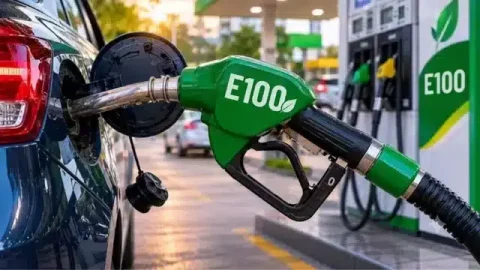
संबंधित पाठ्यक्रम सामान्य अध्ययन-3: संरक्षण, पर्यावरण प्रदूषण एवं क्षरण तथा पर्यावरण प्रभाव आकलन। संदर्भ: सड़क परिवहन एवं राजमार्ग मंत्रालय (MoRTH) ने केंद्रीय मोटर वाहन नियम, 1989 में संशोधन करते हुए
SYLLABUS GS-3: Conservation, environmental pollution and degradation, environmental impact assessment. Context: The Ministry of Road Transport and Highways (MoRTH) has amended the Central Motor Vehicles Rules, 1989, to include E100
7वाँ एग्रीवोल्टिक्स विश्व सम्मेलन 2026 संदर्भ: 7वाँ एग्रीवोल्टिक्स विश्व सम्मेलन 2026 (21–23 अक्टूबर के दौरान नई दिल्ली में “वैश्विक दक्षिण को सशक्त बनाना” विषय के अंतर्गत आयोजित किया गया। एग्रीवोल्टाइक्स विश्व सम्मेलन
7th AgriVoltaics World Conference 2026 Context: The 7th AgriVoltaics World Conference 2026 was held in New Delhi from 21–23 October under the theme “Powering the Global South”. About the AgriVoltaics