
SYLLABUS
GS-1: Modern Indian history from about the middle of the eighteenth century until the present- significant events, personalities, issues.
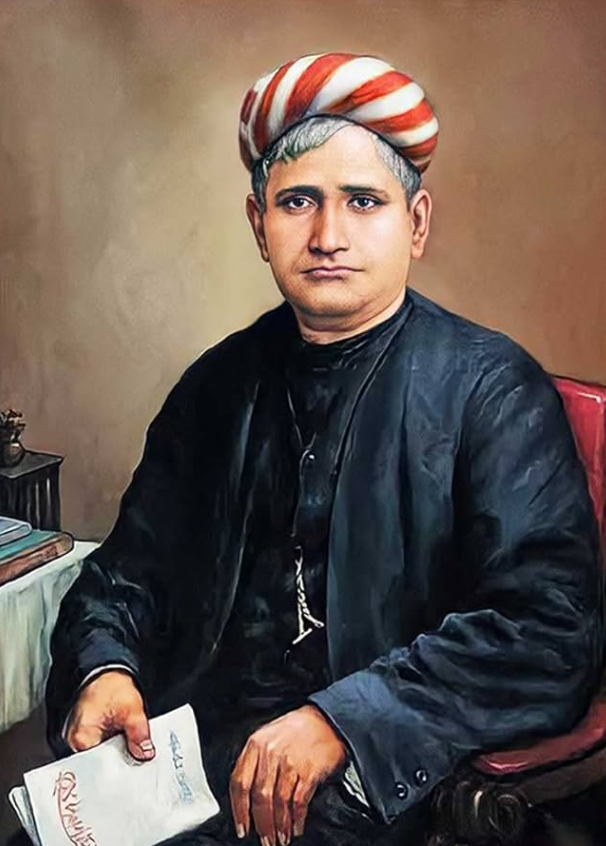
Context: Prime Minister Narendra Modi paid tributes to Bankim Chandra Chattopadhyay on his 188th birth anniversary and highlighted that 2026 marks the 150th anniversary of Vande Mataram.
About Bankim Chandra Chattopadhyay
• Born on 26 June 1838 at Kathalpara, Naihati (present-day North 24 Parganas district, West Bengal) into an orthodox Brahmin family.
• Educated at Hooghly College, Presidency College, and the University of Calcutta, becoming one of its first graduates.
• Joined the British Indian administration in 1858 as a Deputy Magistrate and served for over 32 years before retiring in 1891.
• Obtained a Law degree in 1869.
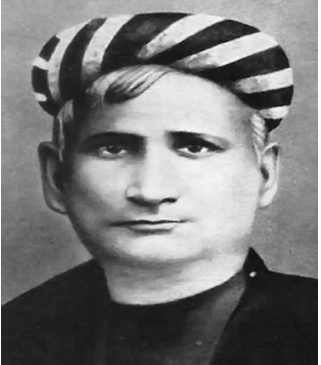
• Widely regarded as the pioneer (father) of modern Bengali prose fiction and one of the foremost figures of the Bengal Renaissance.
• Believed that the cultures of the East and the West were complementary, but opposed blind imitation of the West.
• Advocated a rational interpretation of Hindu philosophy and scriptures.
• Founded the influential Bengali literary journal Bangadarshan in 1872, which became a major platform for Bengali literature and inspired several emerging writers, including Rabindranath Tagore.
• Initially wrote poetry and essays; his first English novel, Rajmohan’s Wife (1864), was the first Indian novel written in English by a Bengali author.
• Authored several literary classics, including:
- Durgeshnandini (1865)
- Kapalkundala (1866)
- Mrinalini (1869)
- Krishnakanter Will (1878)
- Anandamath (1882)
- Devi Chaudhurani (1884)
- Sitaram (1886)
- Krishna Charitra
• Passed away on 8 April 1894 in Calcutta (present-day Kolkata).
Legacy of Bankim Chandra Chattopadhyay
• Pioneer of Modern Bengali Literature: Established prose fiction as a major literary medium in Bengali and laid the foundation of the modern Bengali novel.
• His novels blended history, romance, philosophy, social reform and nationalism.
• Inspired later literary giants such as Rabindranath Tagore and Sarat Chandra Chattopadhyay.
• Composer of India’s National Song: Composed Vande Mataram, which first appeared in his novel Anandamath.
- Vande Mataram became one of the most powerful symbols of India’s freedom movement and inspired countless freedom fighters.
- India is commemorating the 150th anniversary of Vande Mataram in 2026.
- Vande Mataram was adopted as the National Song by the Constituent Assembly on 24 January 1950.
• Anandamath and National Awakening: Anandamath (1882) is based on the Sannyasi Rebellion of the late eighteenth century.
- During the freedom struggle, Vande Mataram emerged as a rallying cry against British rule.
• Champion of Nationalism and Cultural Pride: His writings awakened patriotism, self-respect, and cultural pride during British colonial rule.
- Through his literary works, he linked India’s cultural heritage with the emerging nationalist movement.
- He demonstrated that one could serve within the colonial administration while inspiring national consciousness through literature.
• Social and Intellectual Contributions: His works addressed important social issues such as widow remarriage, women’s role in society, morality and social customs.
- In Krishna Charitra, he attempted to interpret Lord Krishna through rational and historical analysis rather than mythology alone.
- Advocated the use of reason and critical inquiry in understanding Indian philosophical traditions.
• Enduring Legacy: Revered as “Sahitya Samrat” (Emperor of Literature) for his immense contribution to Indian literature.