Context: In Lucknow, researchers are using cutting-edge genetic tools and archaeogenetics technology to trace the population and demographic history of the Indian subcontinent going back nearly 10,000 years
More in the News:
- This was discussed at the 3-day joint conference at Lucknow University, organized by Department of Anthropology in collaboration with the Indian Archaeological Society (IAS), the Indian Society for Prehistoric and Quaternary Studies (ISPQS), and History and Culture society (HCS).
- The event was sponsored by the Archaeological Survey of India (ASI).
- Senior scientist and group head of the Ancient DNA Laboratory at the Birbal Sahni Institute of Palaeosciences (BSIP) in Lucknow.
- For the first time in India, ancient DNA data is being used systematically to reconstruct population history.
- The research involves genetic analysis of samples from the Harappan civilization, Mesolithic hunter-gatherers of Ganga plains, Chalcolithic Communities, and megalithic cultures of south India.
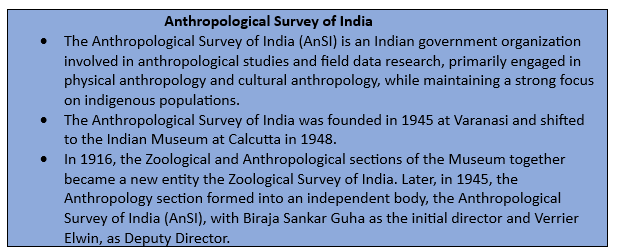
- These human bone samples were sourced from universities, state archaeology departments, the Archaeological Survey of India, and the Anthropological Survey of India.
- All this work is being carried out in India’s first dedicated ancient DNA laboratory at BSIP, Lucknow, a facility designed to handle extremely fragile genetic material without contamination.