
SYLLABUS
GS-3: Awareness in the fields of IT, Space, Computers, robotics, Nanotechnology, biotechnology, and issues relating to intellectual property rights.
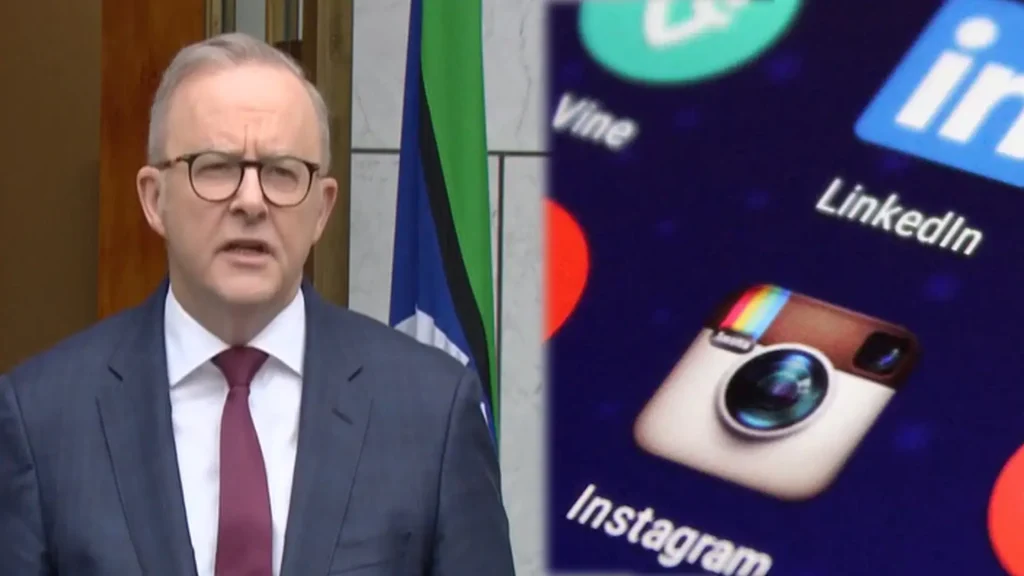
Context: Recently, Australia enforced a world-first law ‘Online Safety Amendment (Social Media Minimum Age) Act’ that bans children under 16 from accessing major social media platforms to curb online harms and protect young users.
More on the News
- Australia has directed ten major social media platforms, including TikTok, YouTube, Instagram and Facebook, to block access for users below 16 years of age from December 10, 2025.
- The regulation has left Big Tech scrambling, as all of them have publicly opposed the law, while maintaining that they will comply with it.
- The decision followed a long national debate on whether any country can practically restrict children from platforms widely used in daily life.
- Several countries, such as Denmark, New Zealand and Malaysia, have indicated that they may study or adopt Australia’s model.
Key features of the Online Safety Amendment (Social Media Minimum Age) Act:
- Minimum Age Requirement: Social media platforms, including Facebook, Instagram, TikTok, Snapchat, X, and YouTube, must take “reasonable steps” to ensure users are 16 years or older.
- Platform Responsibility: The onus is entirely on the social media companies to implement effective age verification methods. The eSafety Commissioner will provide guidelines on what constitutes “reasonable steps”.
- Significant Penalties: Platforms that fail to comply face substantial civil penalties of up to A$49.5 million for serious or repeated breaches.
- Privacy Protections: To address concerns about the collection of sensitive personal data for age verification, the Act mandates that this information must be destroyed after its intended use. Improper use or disclosure is considered a privacy breach with associated penalties.
- No Penalty for Users/Parents: The legislation does not criminalize or penalize children under 16 or their parents for past or attempted use of social media.
Significance of the Ban
- The ban seeks to protect children from harmful online content, addictive algorithms and cyberbullying which have contributed to rising mental health concerns among young users in Australia.
- The measure intends to empower parents by giving them greater control over their children’s digital exposure and reducing unsupervised engagement with social media.
- The ban aims to reduce risks of grooming, sexual exploitation and deepfake-related abuse which have increasingly affected minors on digital platforms.
- The policy signals a strong governmental commitment to regulating large technology companies and holding them accountable for user safety.
- The decision sets an international precedent as other countries study Australia’s approach, potentially shaping future global norms on online child protection.
Source:
Indianexpress
Thehindu
Aph
Time