
SYLLABUS
GS-1: Salient features of Indian Society; Role of women and women’s organization.
Context: The Prime Minister of India paid tribute to Savitribai Phule on her 195th Birth Anniversary.
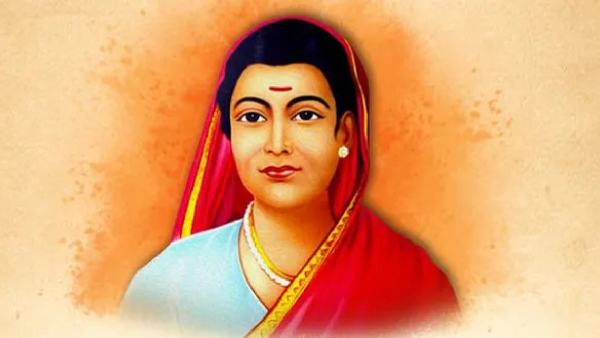
About Savitri Bai Phule

- Savitribai Phule was a Dalit woman from the Mali community, born on January 3, 1831, in Naigaon, Satara district of Maharashtra.
- She was married at nine to social reformer Jyotirao Phule, who educated her and later trained her as a teacher in Pune, which laid the foundation for her pioneering role in women’s education.
- Jyotirao Phule, also known as Mahatma Jyotiba Phule, (title given by Vithalrao Krishnaji Vandekar) was one of the leading social reformers and anti-caste activists of India.
- She was a pioneering Dalit reformer and a central figure in the movement for women’s education and empowerment in India.
- She was honoured with a commemorative dak ticket (postage stamp) in 1998 by the Government of India.
Phule’s Contributions for Women’s Upliftment
- She broke patriarchal and caste barriers, became India’s first woman teacher, and laid the foundation of women’s education by establishing the first girls’ school, dedicating her life to women’s dignity and empowerment.
- At a time when education was denied to women and lower castes, Savitribai and Jyotirao Phule faced severe opposition to establish India’s first girls’ school at Bhidewada, Pune, in 1848.
- As headmistress, Savitribai endured constant abuse, including stone-pelting and mud-throwing by upper-caste men.
- She worked with Jyotirao Phule to combat social evils such as female infanticide, widow mistreatment, and social ostracisation.
- She founded the Mahila Seva Mandal in 1852, supported a barber’s strike against the humiliating practice of shaving widows’ heads, and in 1863 established a shelter for widowed mothers and their children.
- The Phules also adopted a Brahmin widow’s son, Yashwant, and in 1873, she co-founded the Satyashodhak Samaj to promote caste equality, women’s rights, and reformative practices like dowry-free, intercaste marriages.
- After Jyotirao Phule died in 1890, Savitribai defied social norms by becoming the first Indian woman to light her husband’s pyre.
- She continued her humanitarian work, providing famine relief in 1896 and caring for plague victims in 1897.
- She contracted the disease while helping a sick child and died on March 10, 1897.
Phule’s Literary Works:
- Phule was a prolific writer and poet who published Kavya Phule (‘Poetry’s Blossoms’ in 1854) and Bavan Kashi Subodh Ratnakar (The Ocean of Pure Gems in 1892), compiled Jyotirao Phule’s speeches.
- She authored songs and writings later collected as Matushri Savitribai Phulechi Bhashane va Gaani.